

Peptides: An Informative Guide Featuring a Comparison Chart
Unlocking the World of Peptides
Peptides, often referred to as the "building blocks of life," are short chains of amino acids linked by peptide bonds. They play a crucial role in nearly every biological function, from supporting hormonal processes to protecting against oxidative stress. In recent years, peptides have gained significant attention across various fields, including medicine, cosmetics, and fitness, thanks to their targeted efficiency and relative safety compared to other compounds.
In this article, we'll explore the fascinating world of peptides, starting with their history and classifications, before diving into a detailed peptides comparison table to showcase their varied roles in the human body.
A Brief History of Peptides
The discovery of peptides can be traced back to the early 20th century when scientists first identified insulin—a hormonal peptide—as a critical regulator of blood sugar levels. This groundbreaking discovery opened the door to studying peptides and their essential biological functions. Over the decades, advancements in biotechnology have allowed researchers to synthesize peptides, enabling their use in therapeutic applications. Today, peptides are harnessed in everything from treating chronic diseases to improving athletic performance and skin rejuvenation.
Peptide Classifications and Functions
Peptides can be categorized based on their specific roles and biochemical properties. Here, we'll dive deeper into the six main types of peptides:
1. Hormonal Peptides
These regulate vital physiological processes such as growth, metabolism, and reproduction.
2. Neurotransmitter and Neuromodulator Peptides
Found in the nervous system, these peptides help transmit signals and balance neural activity.
3. Immune Peptides
They aid in defending the body by enhancing immune responses and fighting infections.
4. Metabolic Peptides
These govern energy production and metabolic processes within the body.
5. Structural and Tissue-Support Peptides
Primarily responsible for tissue repair, elasticity, and maintaining structural integrity.
6. Antioxidant Peptides
Protect cells from oxidative stress caused by free radicals, promoting overall health and longevity.
Peptides Comparison Table
To better understand the diverse roles of peptides, here is a carefully curated comparison table showcasing prominent peptides from each category:
| Category | Peptide Examples | Primary Function |
|---|---|---|
| Hormonal Peptides | CJC-1295 with Ipamorelin, Sermorelin, MOTS-c | Regulate blood sugar, metabolism, reproductive behavior, and growth hormone release. |
| Neurotransmitter and Neuromodulator Peptides | Facilitate pain regulation, mood modulation, and signal transmission in the brain. | |
| Immune Peptides | Thymosin Alpha-1, LL-37, BPC-157 | Enhance antimicrobial defense, promote immune cell activity, and wound healing. |
| Metabolic Peptides | Tirzepatide, Retatrutide, and MOTS-c | Regulate appetite, energy expenditure, and glucose homeostasis. |
| Structural and Tissue-Support Peptides | BPC-157, TB-500, GHK-Cu, | Improve skin, joint, and connective tissue health by supporting structural proteins. |
| Antioxidant Peptides | Glutathione, Sirolimus (Rapamycin), and GHK-Cu | Neutralize oxidative damage, reduce aging effects, and boost cellular resilience. |
Frequently Asked Questions (FAQs)
1. What are peptides used for?
Peptides have various uses, depending on their type. They can regulate hormones, enhance immunity, improve skin health, aid in muscle repair, and even delay signs of aging.
2. How are peptides administered?
Peptides can be taken orally, injected, or applied topically, depending on the desired effect and formulation. For example, collagen peptides are commonly consumed as supplements, while some medical peptides are injected.
3. Are peptides safe?
When used appropriately, peptides are generally safe and well-tolerated. However, it's essential to consult with a healthcare professional before starting any peptide therapy.
4. Can peptides improve athletic performance?
Yes, certain peptides, such as growth hormone-releasing peptides (GHRPs), are known for their ability to promote muscle growth, enhance recovery, and boost endurance.
Peptides are at the forefront of scientific and medical innovation, offering a wide range of benefits for human health and wellness. From hormonal regulation to tissue repair, these small but mighty molecules promise to unlock new possibilities in the years to come. Whether you're exploring peptides for therapeutic purposes or general health, understanding their diverse functions is the first step toward tapping into their full potential.
Articles

Peptides are becoming increasingly popular in health and wellness discussions, but what exactly are they?

In recent years, peptides have made substantial strides in the field of medicine, revolutionizing treatments and enhancing ways to tackle various health conditions.
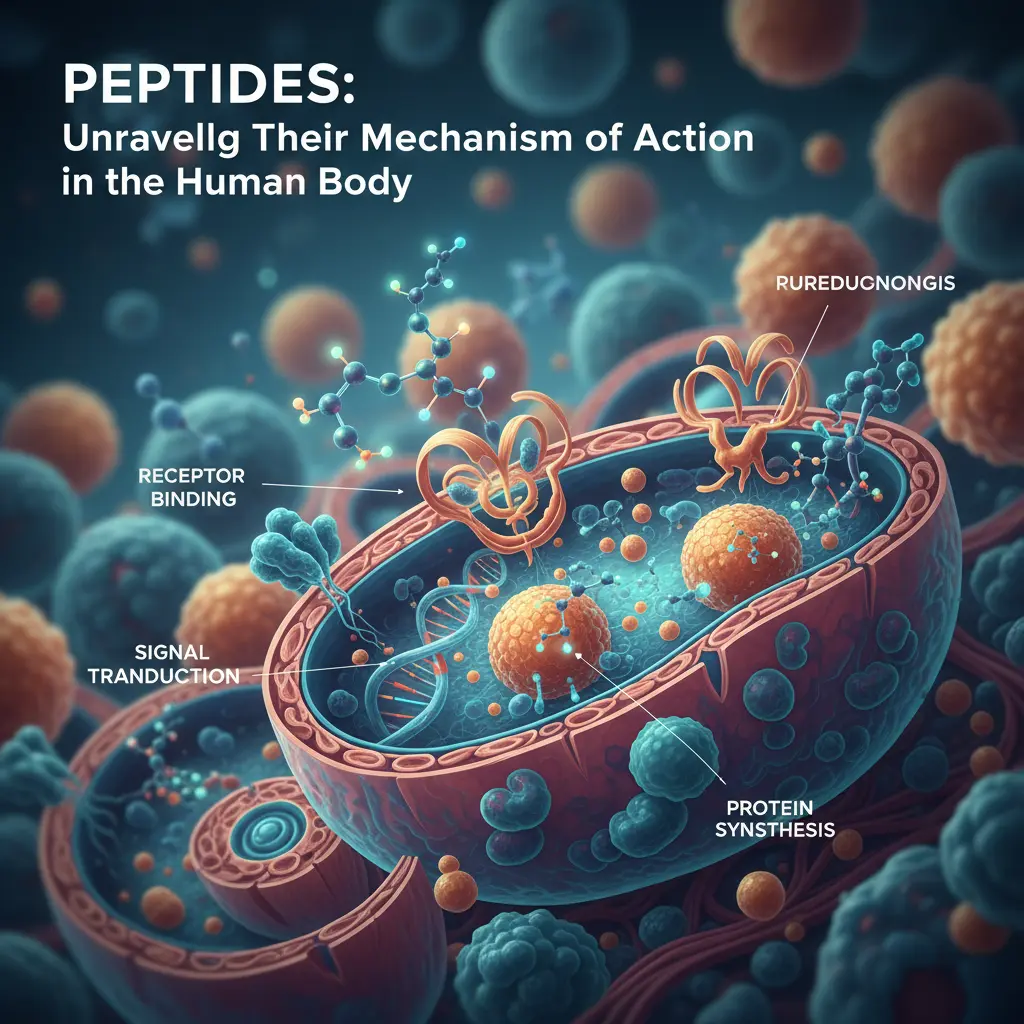
This article delves into the latest insights on how peptides work within the human body, revealing their mechanisms of action and the profound implications for health and medicine.
Customers Feedbacks
Please leave your feedback on products or service below.
Thank you beforehand.