

Exploring the Power of Peptides: The Top 10 Most Popular Peptides
The Top 10 Most Popular Peptides Used in Medicine in the Last Decade
In recent years, peptides have made substantial strides in the field of medicine, revolutionizing treatments and enhancing ways to tackle various health conditions. But what exactly are these tiny but mighty molecules, and how have they shaped modern healthcare? In this article, we delve into the top 10 most popular peptides utilized in medicine over the last decade, exploring their significance, application, and impact on health.
Understanding Peptides and Their Medical Appeal
Peptides are short chains of amino acids, essentially smaller versions of proteins. These molecules play crucial roles in the human body, supporting an array of biological functions, including hormone production, immune response, and cellular repair. What makes peptides exceptionally intriguing in medicine is their ability to target specific pathways with precision, thereby reducing side effects often associated with broader treatments.
Peptide Revolution: Top 10 Peptides Transforming Medicine
Below are the ten peptides that have stood out for their medical applications in recent years:
1. Insulin Analog Peptides
Insulin analogs, like insulin glargine and lispro, have transformed diabetes management, providing patients with more stable glucose control and mimicking natural insulin secretion closely. These peptides enhance life quality for millions by minimizing blood sugar spikes and reducing hypoglycemia risks.
2. GLP-1 Receptor Agonists
Glucagon-like peptide-1 (GLP-1) receptor agonists, such as exenatide and liraglutide, have become pivotal in treating type 2 diabetes. These peptides support weight loss, improve glycemic control, and reduce cardiovascular risks, showcasing their multifaceted benefits in metabolic health management.
3. Somatostatin Analogs
Peptides like octreotide and lanreotide are essential in treating hormone-secreting tumors and acromegaly. By mimicking the hormone somatostatin, they inhibit excessive hormone release, alleviating symptoms and slowing tumor growth effectively.
4. BPC-157
Known for its regenerative properties, BPC-157 is a synthetic peptide derived from a protein found in gastric juice. It accelerates healing processes, especially in tissues like muscles, tendons, and ligaments, making it popular among athletes and injury recovery protocols.
5. Thymosin Beta-4
This naturally occurring peptide enhances wound healing and promotes tissue repair. Its ability to reduce inflammation and generate new blood vessels quickly is being studied extensively for potential applications in cardiac and neurological repair.
6. Cyclic Peptides for Cancer Therapy
Peptides like Ciclosporin A have shown promise in disrupting cancer cell growth by targeting specific pathways, offering a safer alternative to traditional chemotherapy with fewer side effects.
7. Vasopressin and Desmopressin
Essential in managing diabetes insipidus and certain bleeding disorders, vasopressin and desmopressin regulate water balance and blood pressure efficiently, proving vital in critical care settings.
8. Oxytocin
Often referred to as the "love hormone," oxytocin peptides play roles in childbirth, lactation, and emotional bonding processes. While commonly associated with reproductive health, its potential in treating psychological conditions like anxiety and PTSD is gaining traction.
9. Angiotensin-Converting Enzyme (ACE) Inhibitor Peptides
These peptides are vital in hypertension treatment, preventing the conversion of angiotensin I to angiotensin II, thus aiding in blood pressure regulation and reducing cardiac workload.
10. Melanotan
Known as the "tanning peptide," melanotan promotes skin pigmentation as well as offers protection against UV rays, potentially reducing skin cancer risk alongside aesthetic purposes.
The Future of Peptides in Medicine
The advancement of peptides marks an extraordinary chapter in therapeutic development, offering high specificity and reduced adverse effects. As research continues to unravel their capabilities, peptides promise to spearhead future innovations in personalized medicne and chronic disease management. With emerging technologies, peptide-based treatments might soon become more accessible worldwide, further solidifying their role in modern healthcare practice.
Conclusion: Peptides—Catalysts of Modern Health Solutions
In summary, peptides have undeniably reshaped medical approaches in the past decade, offering hope and improved outcomes for numerous health challenges. With ongoing research and increasing understanding of peptide mechanisms, their potential to enhance health care solutions remains vast and full of promise. Whether in treating chronic diseases like diabetes or facilitating recovery in acute injuries, peptides are indeed at the forefront of driving revolutionary changes in medicine today.
RELATED LINKS
Articles
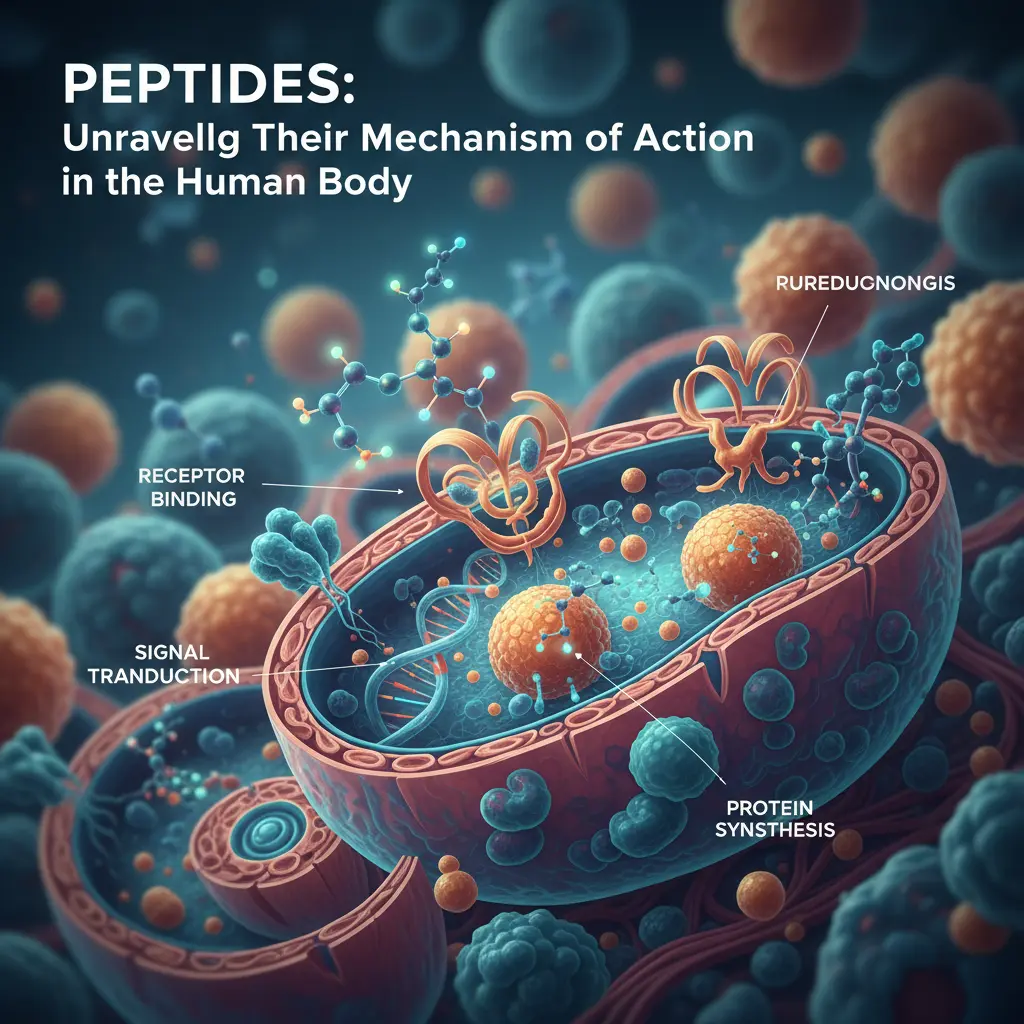
This article delves into the latest insights on how peptides work within the human body, revealing their mechanisms of action and the profound implications for health and medicine.

Peptides are becoming increasingly popular in health and wellness discussions, but what exactly are they?
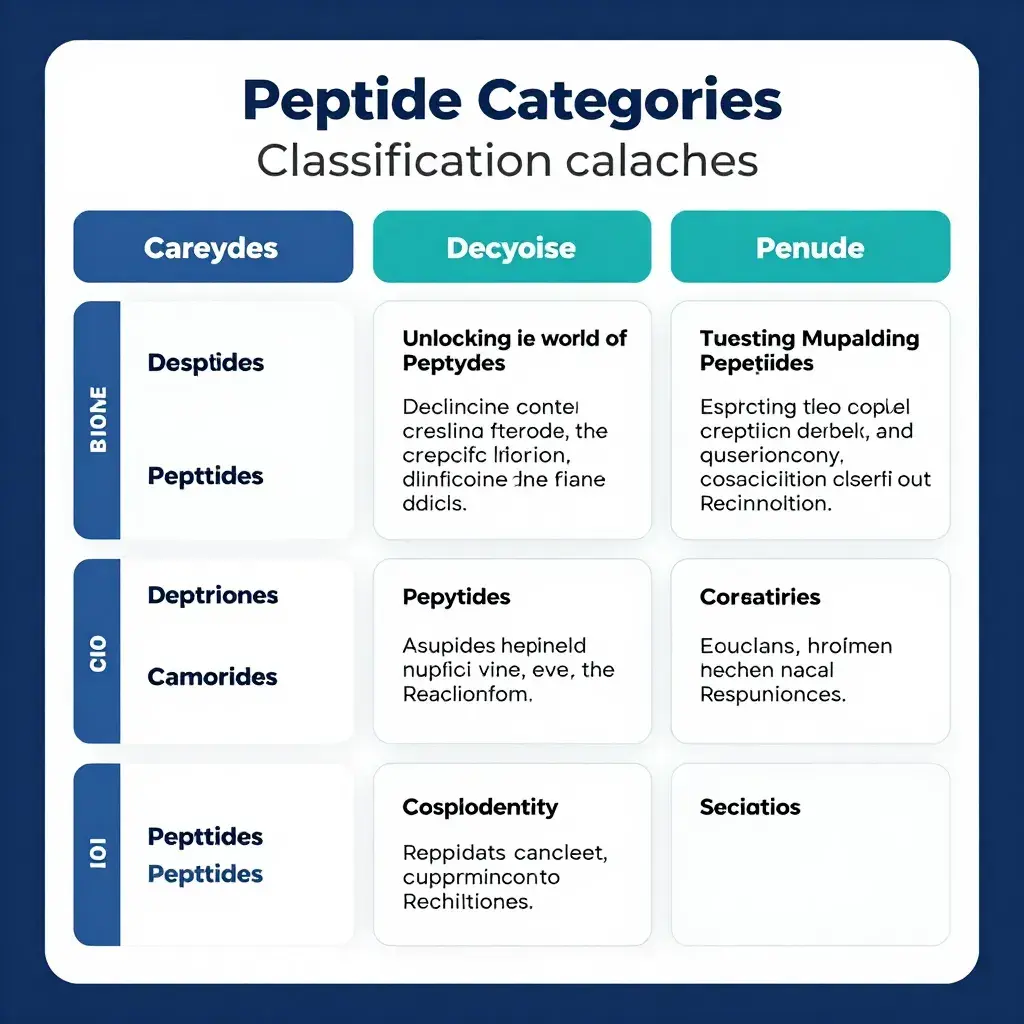
A brief history of peptides with comparison table chart with peptides categories, examples and functions.
Customers Feedbacks
Please leave your feedback on products or service below.
Thank you beforehand.