

Peptides: A Comprehensive Dive into Their History and Health Benefits
Understanding Peptides: A Comprehensive Dive into Their History and Health Benefits
Peptides are becoming increasingly popular in health and wellness discussions, but what exactly are they? As complex molecules made up of amino acids, peptides play crucial roles in various biological processes. In this article, we will explore the history of peptides, their discoveries, initial uses, current applications, safety, health implications, and recent scientific research surrounding them.
The Historical Context of Peptides
The journey of peptides began in the early 20th century. The term "peptide" comes from the Greek word "peptos," meaning "digested." It was first used in the realms of chemistry to describe short chains of amino acids, the building blocks of proteins. The discovery of peptides can be attributed to scientists such as Emil Fischer, who, in the late 1800s, conducted extensive research on amino acids and peptides, winning the Nobel Prize in Chemistry in 1902 for his work on the structure of sugars and purines.
The first synthetic peptide, known as oxytocin, was created in 1953 by British biochemist Vincent du Vigneaud, who further unveiled its role in childbirth and lactation. This groundbreaking work opened the floodgates for subsequent research into the therapeutic uses of peptides. Notably, insulin was one of the first significant applications of peptides in medicine, synthesized in the 1920s, paving the way for peptides as a powerful tool in treating various conditions.
Current Uses of Peptides
Today, the utilization of peptides spans a wide range of fields, including pharmaceutical development, sports medicine, skincare, and nutritional supplements. In pharmacology, peptides are used to develop drugs that target specific receptors in the body, minimizing side effects compared to traditional medications.
In sports and fitness, peptides like growth hormone-releasing peptides (GHRPs) are often sought for their potential to enhance muscle growth and recovery. Additionally, peptides have found their way into the cosmetics industry, where they are used in anti-aging products due to their ability to promote collagen production and improve skin texture.
Moreover, research is expanding into the use of peptides in cancer treatment, as certain peptides can target and destroy cancer cells while sparing healthy ones. This targeted approach holds promise for developing more effective therapies with fewer adverse effects.
Safety and Health Considerations of Peptides
With the rising popularity of peptides, many individuals are intrigued yet cautious about their safety and health implications. Generally, most peptides are considered safe when used appropriately. However, because the peptide market is largely unregulated, it is essential to source peptides from reputable suppliers and consult with a healthcare professional before beginning any new regimen.
Many peptides show potential health benefits, including anti-inflammatory properties, improved metabolism, enhanced cognitive function, and better skin health. For instance, collagen peptides are celebrated for their role in supporting joint health and improving skin elasticity. However, it's crucial to remember that individual responses to peptides can vary significantly.
While numerous peptides exhibit promising results in clinical studies, the landscape is still evolving. Ongoing research continues to clarify the long-term effects of peptide supplementation and the optimal dosages required for different health outcomes.
Scientific Insight and Research on Peptides
The scientific community has turned a keen eye toward peptides in recent years, conducting numerous studies to unveil their mechanisms of action and potential benefits. For example, a study published in the "Journal of Clinical Endocrinology & Metabolism" explored how GHRPs can enhance muscle mass and strength in aging populations, showcasing the potential of peptides in combating age-related muscle loss.
Another noteworthy study in "Cancer Immunology Research" highlighted the efficacy of tumor-targeting peptides in shrinking tumors and enhancing the immune response against cancer. Research efforts like these signify a growing recognition of peptides as vital components in modern medicine.
Additionally, research is examining the role of peptides in metabolic health, with studies indicating that certain peptides may assist in weight management by modulating appetite and improving insulin sensitivity.
As the body of knowledge surrounding peptides expands, researchers are also looking at ethical considerations and potential regulations. The aim is to balance accessibility with safety, ensuring individuals can benefit from peptide therapies without undue risk.
Conclusion: The Future of Peptides in Health
Peptides are an exciting area of biochemistry with a rich historical background. From their early discoveries to their modern applications, peptides have proven to be versatile agents in medicine and health. Research continues to unveil their potential benefits while addressing safety concerns and ethical considerations.
Whether used for therapeutic interventions, athletic performance enhancement, or skincare solutions, peptides hold considerable promise in shaping the future of health and wellness. As science progresses, staying informed about the latest findings can help individuals make educated decisions regarding peptide use, ensuring they reap the benefits while minimizing risks. As always, consultation with a healthcare provider is vital before embarking on any new health journey involving peptides.
Related Links
Articles

In recent years, peptides have made substantial strides in the field of medicine, revolutionizing treatments and enhancing ways to tackle various health conditions.
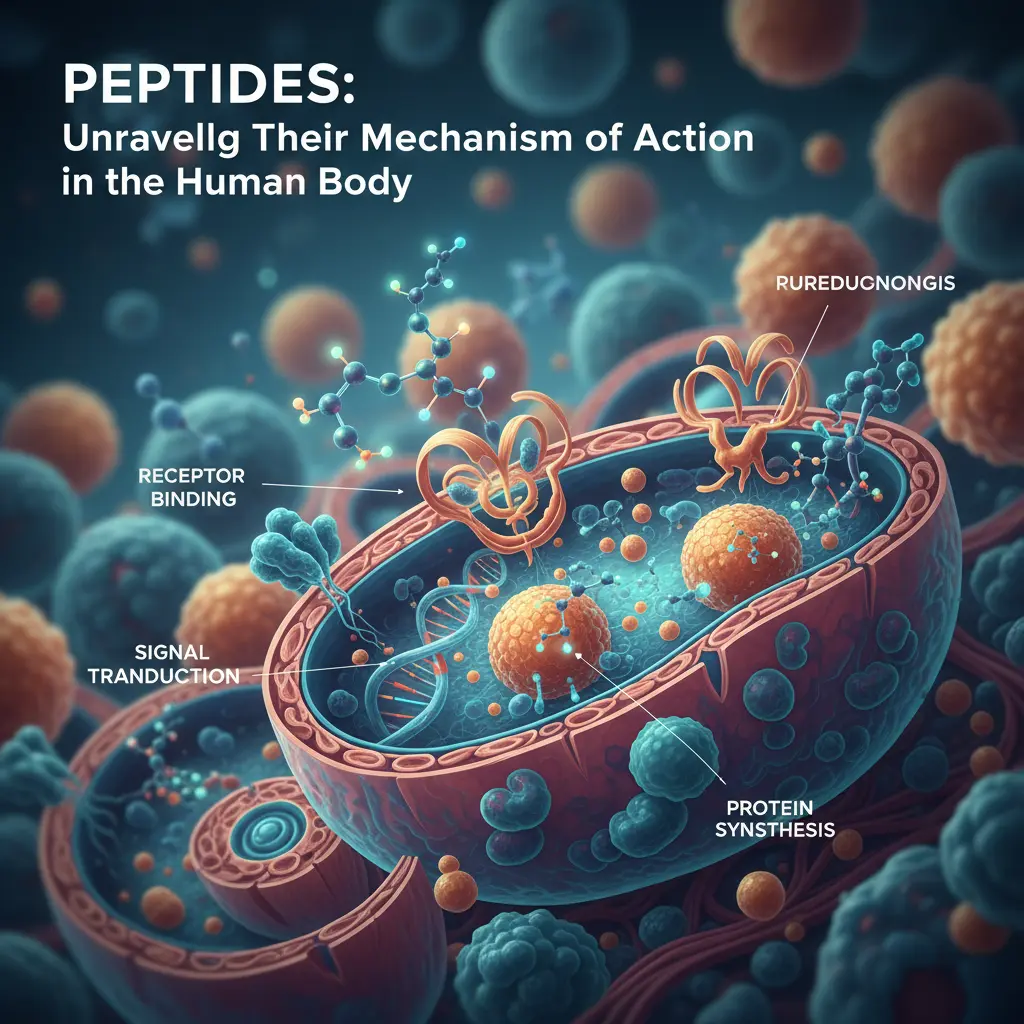
This article delves into the latest insights on how peptides work within the human body, revealing their mechanisms of action and the profound implications for health and medicine.
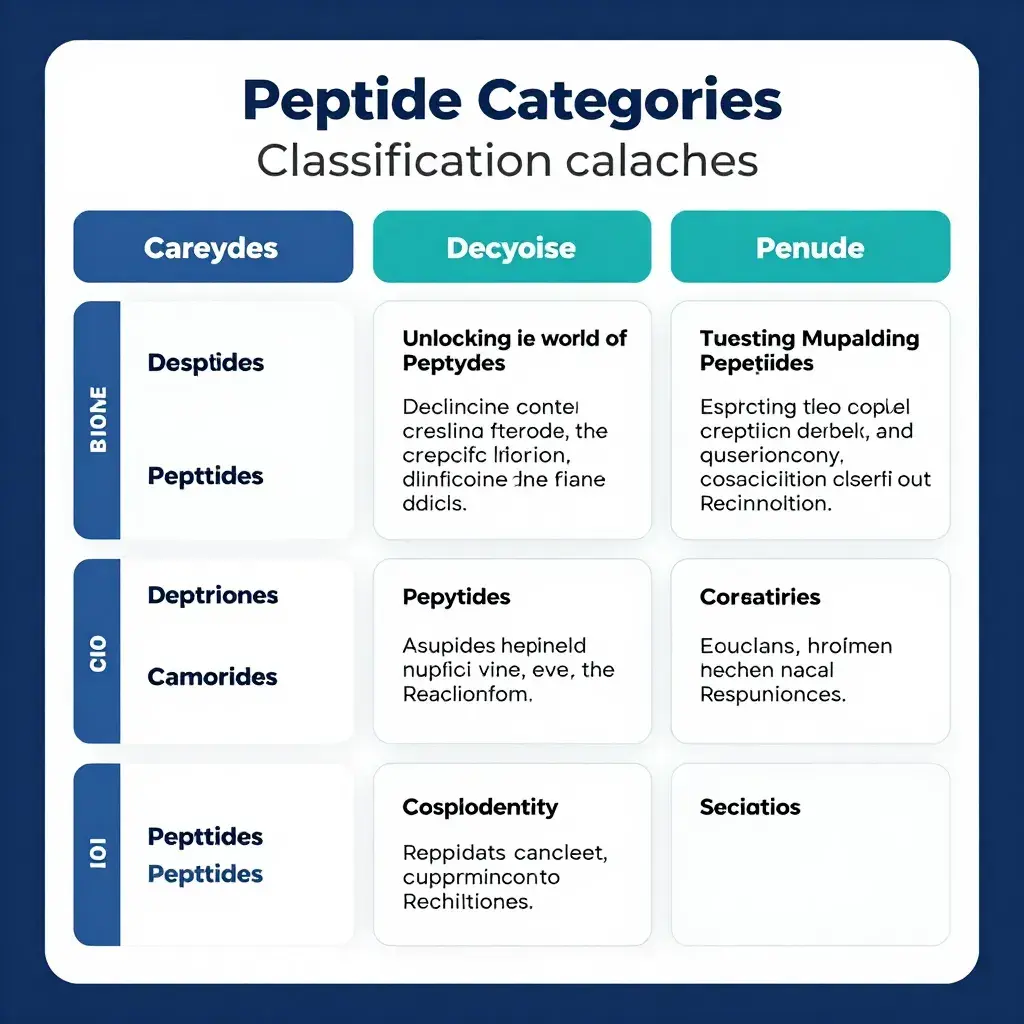
A brief history of peptides with comparison table chart with peptides categories, examples and functions.
Customers Feedbacks
Please leave your feedback on products or service below.
Thank you beforehand.